
Theo Dougeroglou brings managing-director insight from Aruze Gaming Australia to casino product strategy, supplier trust, and regulated-market execution. When I look at a lobby, I ask whether the operator treats return-to-player figures as a marketing hook or a product truth. That distinction matters for anyone weighing high rtp casino games tips before pressing spin. A headline percentage never guarantees a session outcome, but it does tell you how the maths is framed and whether the operator is transparent about volatility, hit frequency, and bonus terms. If the numbers are presented without context, treat them as a starting point, not a promise.
What RTP Actually Signals Before You Play

Return-to-player is a long-run theoretical figure, not a short-term payout schedule, and that is the first thing any sensible player should separate from the marketing copy. A slot listed at 97 percent still swings hard over a single session, because variance and hit frequency decide what you feel minute to minute. I have seen product briefs where the advertised return looked strong on paper while the bonus buy mechanics and wagering requirements quietly eroded the real value. The practical move is to read the paytable, note the volatility band, and check whether the game uses a fixed or variable return structure. If the operator publishes the theoretical return alongside the provider name and version, that is a useful signal; if the figure appears only in a promotional banner with no game ID, treat it as a claim rather than a verifiable fact.
The roulette ball is called the “pill” by some croupiers, a small reminder that even familiar table games carry local terminology and house-edge details worth checking. When I compare live table lobbies, I look for clear edge disclosure on roulette and blackjack variants, because a polished stream does not change the maths underneath. A credible operator will list the variant, the number of decks or zeroes, and the rule exceptions that shift the house edge, rather than relying on a generic “live casino” label. If you are weighing high rtp casino games tips across both slots and tables, the same discipline applies: identify the exact product, confirm the published return or edge, and decide whether the volatility suits the session length you actually plan.
Reading the Lobby and Finding the Right Mix
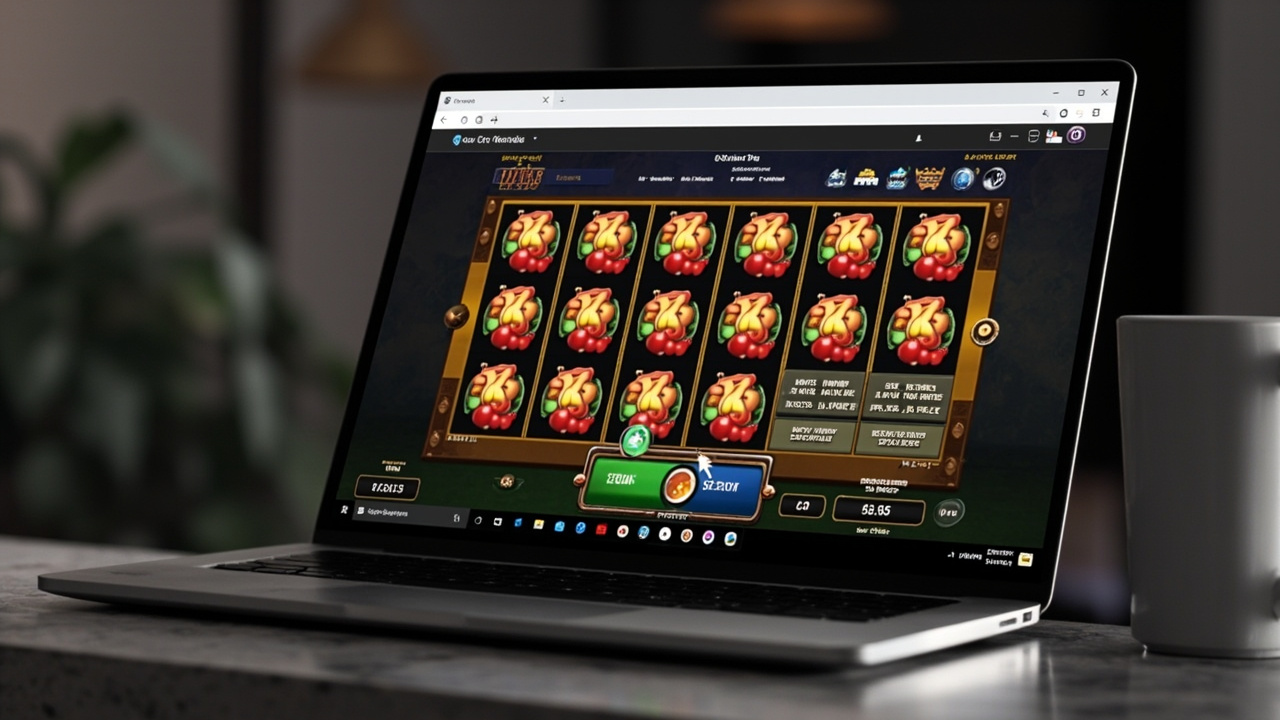
A lobby tells you more about an operator than any welcome screen, because game mix, provider spread, and search tools reveal how seriously the product is maintained. I expect a regulated Australian-facing lobby to separate slots, table games, and live content clearly, with filters that actually narrow by provider, volatility, and feature type instead of dumping everything into one endless feed. Discovery matters when you are hunting for higher-return titles, because a searchable lobby with provider tags and version labels saves you from chasing stale promos or mislabeled variants. If the search function returns duplicates, broken thumbnails, or games that vanish after a bonus period, that is a product-maintenance signal worth noting. The operators who treat their catalog as a living product tend to keep older titles visible with accurate metadata, which makes it easier to compare returns across releases rather than chasing whatever is pinned to the top of the page.
When every category is properly indexed, finding a high-variance slot or a low-limit table game becomes a matter of seconds rather than a frustrating scroll. This level of curation is exactly why I always cross-check the pokies.net login australia before committing to any new platform. You can read more about how these lobby structures are evaluated at https://bloggingunearthed.com/.
I have watched suppliers and operators negotiate over placement and metadata accuracy, and the messy versions always surface in the lobby first. When a product list looks tidy and each tile carries the provider, the version, and a clear return figure where applicable, that usually reflects a team that audits its own catalogue. If you are comparing high rtp casino games tips across several lobbies, give more weight to the one that lets you filter by provider and volatility without reloading ten pages. A well-organised lobby is not a bonus feature; it is evidence that someone is accountable for what players actually see before they deposit.
Trust, Providers, and Regulated-Market Reality
Supplier trust is where many players get misled, because a familiar provider name on a lobby tile does not automatically mean the operator is running that game under local rules. In Australia, online casino-style offerings sit outside the state and territory licensing frameworks that cover sports betting and racing, so the responsible move is to verify licensing, geo-compliance, and payment routing before reading any return figure as a seal of quality. I have seen product strategies where the same title appeared under different operator wrappers, and the difference in transparency was often bigger than the difference in the game itself. A trustworthy operator will name the provider, the version, and the licensing context where relevant, and will not blur the line between an offshore product page and an Australian-facing service. If a site talks up its games but dodges questions about jurisdiction, account verification, or responsible-gaming tools, that is a bigger concern than any RTP headline.
Charlotte Young, Chief Financial Officer, Blue Mountains Interactive, puts the risk plainly: “A high return figure is useful only when the operator can show the same discipline in payments, verification, and game metadata, because the maths means little if the account experience is inconsistent.” That is the kind of caveat I keep in mind when I read promotional copy that treats a percentage as the whole story. Sienna Watson, Head of Operator Partnerships, Wattle Gaming Partners, adds a supplier-side view: “Operators who survive regulated scrutiny are the ones who treat provider integrations as a compliance task, not just a screen-filling exercise, and players should notice that difference in how the lobby is presented.” The point is not to distrust every provider, but to separate the game from the operator and judge each on its own evidence.
Session Choices, Bonuses, and the Wollongong Test
Bonuses can distort the value of a high-return game faster than most players expect, because wagering requirements, game weightings, and max-cashout caps can outweigh a favourable theoretical return. If a welcome offer contributes only part of a slot’s return toward playthrough, or if certain high-variance titles are excluded, the advertised RTP becomes a partial picture at best. The practical habit is to check the bonus terms before choosing the game, then pick a title whose volatility matches the playthrough you can reasonably complete without chasing losses. I always tell people to think in session terms: a shorter session with clearer stop points is usually saner than a long run justified by a percentage on a banner. Local context helps ground that choice too; a quiet arvo in Wollongong is not the moment to treat a theoretical return as a plan for the evening, and the same discipline applies whether you are at home or down by the coast.
If you are weighing high rtp casino games tips against bonus mechanics, treat the bonus as a separate calculation and the game as another one, then decide whether both still make sense together. Payments, currencies, and withdrawal timing matter here because a generous return figure is less useful if the account experience is slow or opaque. A credible operator will state currency options, any conversion steps, and the verification steps required before a withdrawal, without implying that a higher RTP changes the speed or certainty of a payout. Responsible play is the throughline: set a limit, treat the return as a long-run reference, and walk away from any framing that suggests a number can flatten variance or remove risk.
Glossary
- RTP (return to player): the theoretical percentage of wagered money a game is designed to return over the long term, not a short-term payout promise.
- Volatility: how much a game’s results tend to swing around its average, affecting session length and the frequency of smaller versus larger wins.
- House edge: the mathematical advantage held by the table or game, usually expressed as the inverse of the player return in slots or as a percentage edge in table games.
- Wagering requirement: the multiplier that determines how much you must bet before bonus funds or related winnings can be withdrawn, often with game weightings and caps.
- Variant: the specific version of a game or table rule set, which can change the return or house edge even when the base title looks the same.