
When the lights dim and the cards slap the felt, the human element of a live table brings a different kind of pressure to the session. Australian punters chasing that genuine casino atmosphere often weigh up whether tipping dealers is a polite gesture or a strategic cost. It is not exactly like buying a round at the local pub, where the bartender remembers your name and your usual stout. Here, the interaction is transactional, polished, and occasionally expensive if you let the mood take you. We look at where that money actually goes and whether it changes your odds of walking away with something in your pocket. For those comparing live tables against digital slots, checking out tower rush galaxsys can clarify how different platforms handle live dealer interactions and bonus structures.
The Economics of the Chip
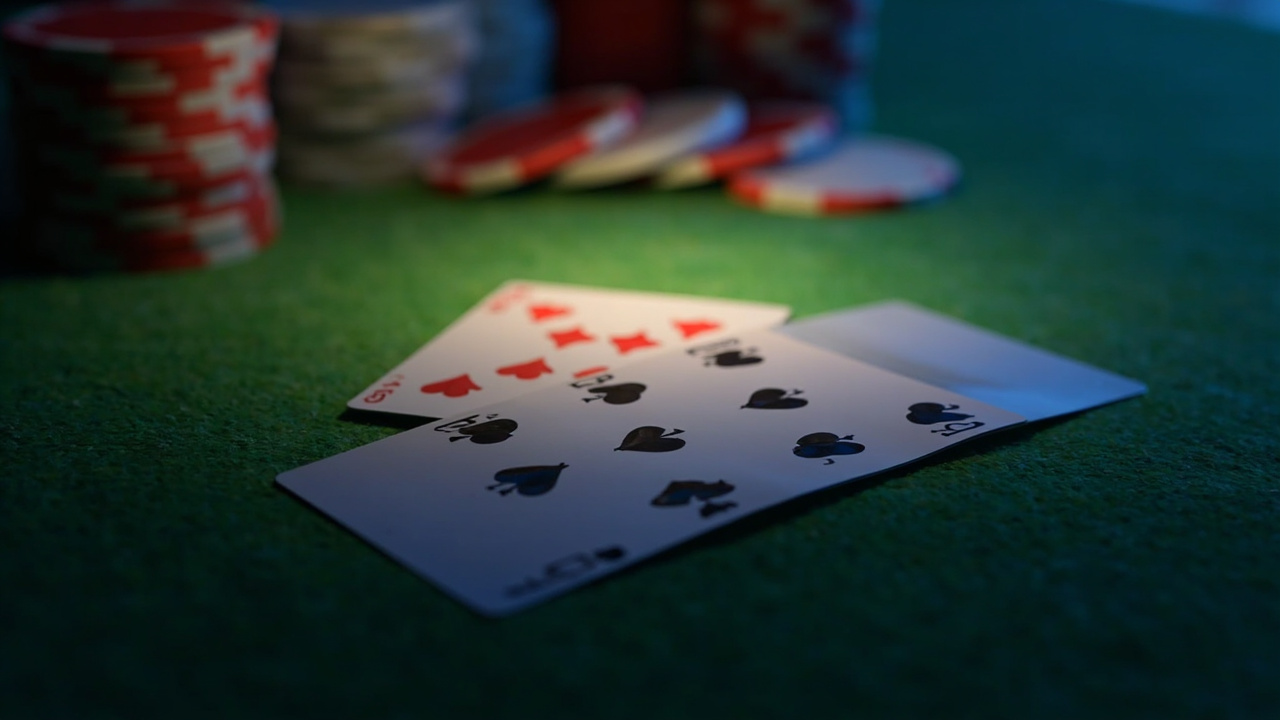
Tipping at a live table is less about charity and more about acknowledging a performance that kept the game moving smoothly. In most regulated environments, the dealer does not keep the tip personally; it often goes into a pool distributed among the floor staff or is treated as a discretionary bonus by the operator. This means your gratuity is essentially a fee for service, similar to paying for express postage on a parcel instead of waiting for standard delivery. The game outcome remains statistically identical whether you hand over a five-dollar chip or wave politely at the croupier. However, a courteous player might find the pace slightly more accommodating, though no operator will ever admit that tipping sways the shuffle.
For an ordinary Australian reader, think of it like tipping the waiter at a busy Darwin waterfront restaurant. You pay for the meal, and the extra few dollars ensures the service stays attentive without you having to snap your fingers. It is a social lubricant rather than a purchase of better food. In a casino context, this distinction matters because players sometimes confuse goodwill with influence. The house edge does not shrink because you are generous. If you are playing through a platform like tower rush galaxsys, the digital interface might automate some of these interactions, but the underlying economics of the live floor remain stubbornly human.
| Feature | Standard Live Table | VIP/High Limit |
|---|---|---|
| Min Bet | $5 – $10 | $100+ |
| Tipping Culture | Optional, pooled | Expected, direct |
| Pace | Standard | Accelerated |
| Dealer Attention | Shared | Focused |
Where the Money Actually Goes
Understanding the flow of cash helps separate myth from reality. When you place a tip in the tray, it is rarely a direct transfer to the individual standing across the felt. Most operators aggregate these amounts and redistribute them based on hours worked or shift rotations. This system prevents favouritism but also means your specific dealer might not see that particular chip. It is comparable to paying taxes; you contribute to the system, and the distribution happens behind closed doors. Abigail Hall, Responsible Gambling Adviser at Southern Cross Gaming Advisory, notes that players should view tipping as part of the entertainment budget rather than a lever to pull for better results.
“Players should view tipping as part of the entertainment budget rather than a lever to pull for better results.”
This perspective is crucial for bankroll management. If you allocate ten per cent of your session budget to tips, you must accept that this portion is spent regardless of the outcome. It is not a refundable deposit. Some high-limit rooms operate differently, where tips are more directly acknowledged, but even then, the statistical advantage remains with the house. The ritual is about maintaining the atmosphere, not buying an edge. Confusing the two leads to overspending under the guise of politeness.
Social Pressure and Bankroll Management
The risk lies in the social pressure of the moment. When a dealer smiles and the table is hot, reaching for the chip tray feels natural. Yet, this impulse can erode a disciplined staking plan faster than a bad run of cards. Ruby O’Brien, Head of Live Casino at Harbour Bet Insights, suggests that players set a tipping limit before sitting down, treating it like a predefined expense.
“Set a tipping limit before sitting down, treating it like a predefined expense.”
Adam Walker, Head of Analytics at Koala Digital Group, adds that data shows impulsive tipping correlates with shorter session times and quicker bankroll depletion. It is not that tipping is wrong, but that it is an unstated cost often omitted from the initial budget calculation. An Australian player might reckon a few dollars here and there is no worries, but over a long arvo session, those small amounts compound. Managing this requires the same discipline as setting a loss limit. You decide the cost of entertainment beforehand, not in the heat of the spin.
Practical Reality for Everyday Play
For the everyday punter, the decision often comes down to personal comfort rather than strategy. If you enjoy the interaction and want to maintain a friendly vibe, tipping is the currency of that relationship. If you prefer a quiet, efficient game where you focus solely on the cards, keeping your chips is perfectly acceptable. The table will not eject you for being frugal, though the atmosphere might feel cooler. It is similar to choosing between a bustling local club and a quiet home game; both offer the same cards, but the surrounding noise differs. tower rush galaxsys
Consider a scenario where you are playing roulette for two hours. You plan to spend $200 total. If you earmark $20 for tips, you have $180 for betting. Without that plan, you might spend $200 on bets and another $50 on tips, blowing the budget. This simple arithmetic protects your night out. It ensures the fun does not turn into a financial headache when you walk back to the car. The goal is enjoyment, not subsidising the casino staff beyond what you intended.
Ultimately, tipping dealers is a choice about how you want to experience the game, not a tactic to win it. The mechanics of the shuffle and the spin remain untouched by your generosity. Treat it as part of the entry fee for the live atmosphere, much like paying for a ticket to a show. If the performance adds value to your evening, the cost feels justified. If not, keeping your chips is a valid strategy too. Just keep the budget clear in your head before the first card is dealt.