Consistent Design Language Explained: The Row’s Handbags Over the Years
The brand has built its renown on restraint. Even as the wider fashion world cycles through trends every few months, this house has spent nearly two decades honing a limited set of silhouettes rather than pursuing seasonal novelty. Understanding that outlook is essential for understanding why row handbags hold value, why specific designs come back season after season with only subtle refinements, and why shoppers hunting for the row bag that suits them are often better served by examining craftsmanship than by studying trend reports. What follows explains how design continuity really functions at The Row, what is updated between collections, and what remains intentionally unchanged.
The Thinking Behind The Row’s Design Approach
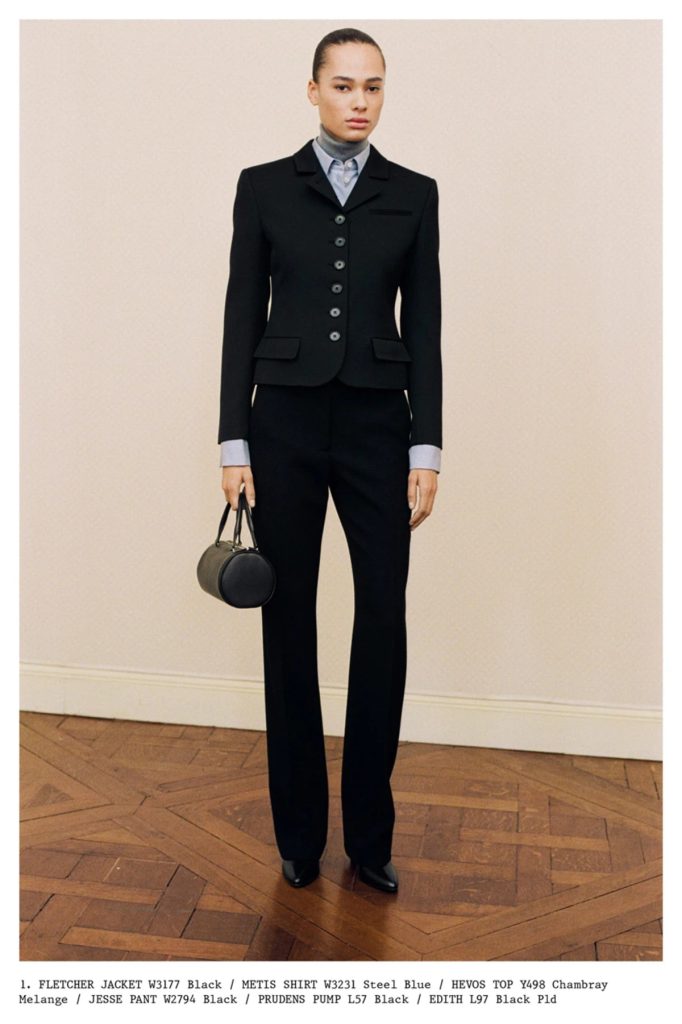
Mary-Kate and Ashley Olsen founded The Row in 2006 with an deliberate departure from design led by passing trends. The founders’ approach to The Row’s design ethos has always given precedence to proportion, material quality, and longevity over attention-grabbing seasonal items. This shows up most obviously in handbags, where a select few core shapes have anchored the line for years rather than being swapped out each season.
The brand’s design team works from a limited set of geometric principles: clean lines, minimal hardware, and silhouettes that nod to midcentury modernism more than contemporary streetwear. A bag introduced in 2015 might still be in production today with only subtle changes to row tote strap length or interior pocketing. This is rare in an industry where most fashion houses update entire handbag lines twice a year.
Such steadiness has practical benefits for shoppers. Worth on the resale market tends to stay strong because the shapes don’t look dated after a year or two. It also means that when a row sale happens, past-season bags don’t look markedly different from current stock, which cuts down on the hesitation that usually arises from buying last season’s design elsewhere.
The Margaux Bag: A Study in Refinement Over Reinvention
No bag illustrates this pattern better than the Margaux. Debuted in the mid-2010s, the Margaux tote has appeared in multiple sizes and leather finishes over the years, but its core architecture — an open-top tote with understated exterior fittings and structured sides—has stayed largely untouched at its core. Shoppers searching for where to buy The Row Margaux bag will find it offered in different sizes across seasons, but the silhouette itself is treated almost like a permanent collection piece rather than a seasonal drop.
This approach is intentional. Rather than retiring a proven bestselling shape and replacing it with something new to generate demand, The Row instead varies leather type, hardware finish, and proportions subtly. The result is a bag that feels familiar to long-time customers while still providing something new to discover each year.
Among shoppers weighing up row tote bag options available now, the Margaux remains among the most sought-after silhouettes thanks largely to this steadiness. Shoppers generally know what’s in store: a reliable silhouette, a manageable learning curve in terms of styling, and a design that won’t look out of place in three years’ time.
Why Fabrics Evolve While Forms Remain Constant
Materials and colorways are where The Row lets seasonal change show through. Sourcing of leather, tanning methods, and hardware finishes change from year to year even when the underlying pattern for a bag does not. One season a structured tote may come in smooth calfskin, the next in a pebbled or suede finish, while the measurements and stitch pattern stay almost unchanged.
That flexibility lets the label react to seasonal mood without upsetting the fundamental row bags summary that loyal shoppers have grown accustomed to. In warmer seasons, lighter and softer leathers paired with stripped-back neutrals tend to appear; colder seasons bring in deeper, richer colors and somewhat heavier leathers.
Another area of gentle variation is hardware. Sometimes buckles, clasps, and zip pulls transition from matte to a more polished finish, or from silver shades to a warmer brass tint, based on the palette of that season. Such shifts are subtle enough that they seldom change how a bag is seen, but attentive shoppers browsing top row bags across several years will notice the pattern.
Comparing Core Silhouettes
Making sense of continuity across the range means examining several of the brand’s most lasting silhouettes together. The table that follows sketches general features based on how these styles have shown up in recent collections — useful context whether the goal is a first purchase or an addition to an existing collection.
| Bag Style | Main Purpose | Design Stability | Usual Seasonal Change |
|---|---|---|---|
| Margaux Tote | Everyday carry, work | Very high — shape unchanged since introduction | Leather texture, available sizes |
| Sofia Bag | A structured piece for day into evening | High — consistent silhouette with minor strap updates | Palette of colors, hardware finish |
| Ascot Bag | Compact daily use | Strong — proportions are seldom changed | Texture, closure detailing |
| Wander Tote | Travel, oversized carry | Moderate — dimensions shift now and then | Versions in fabric versus leather |
What stands out in this comparison is how little the fundamental purpose of each bag shifts. Someone seeking the best row bags for everyday use will keep being directed toward the Margaux or Ascot instead of a shifting lineup of new arrivals, because those two shapes have proven their staying power across multiple years of production.
How This Shapes Purchase Strategy for 2026
Given this consistent design approach, a shopper shopping the collection this year faces a simple real-world takeaway: an older-season row handbags piece, acquired secondhand or during a markdown, carries a smaller downside than the same purchase would with a more trend-driven label. Since the brand hasn’t shifted toward a dramatically different aesthetic in the meantime, a Margaux from two seasons ago will still pair naturally with current wardrobe staples.
This also affects how to think about timing a purchase. Waiting for a row sale can make sense for shoppers who have identified a specific silhouette they want, since the shape itself isn’t likely to be discontinued or replaced outright. The risk with waiting is the in-stock chances of a specific leather or color, not the disappearance of the actual design.
It’s worth noting that authorized stockists and the brand’s own channels remain the most reliable route for anyone trying to determine where to buy The Row Margaux bag or other core styles, particularly given how closely certain silhouettes are replicated by counterfeit sellers. Examining construction details—stitching consistency, the heft of the hardware, interior lining—against known authentic examples is a sensible precaution no matter where a purchase is made.
Reading the Line as a Whole
Viewed as a whole, the pattern across The Row’s handbag history is one of steady polishing rather than reinvention. It’s rare for a label at this price point to maintain such a tight focus on a small number of shapes for this long, which is one reason the brand’s reputation differs from more trend-reactive competitors. Shoppers who review the row bags overview across several years will see the same handful of names repeating: Margaux, Sofia, Ascot, Wander.
This is not a lack of creativity — it’s a separate sort of creative discipline, one built around perfecting a shape and then trusting it to hold up over time. For buyers, that translates into fewer regrets about a purchase looking dated, more predictable resale value, and an easier time building a wardrobe around a small number of well-chosen pieces rather than constantly replacing them. In an industry that often rewards novelty over substance, that consistency is arguably the brand’s most distinctive design choice of all.